 (817) 975 0180
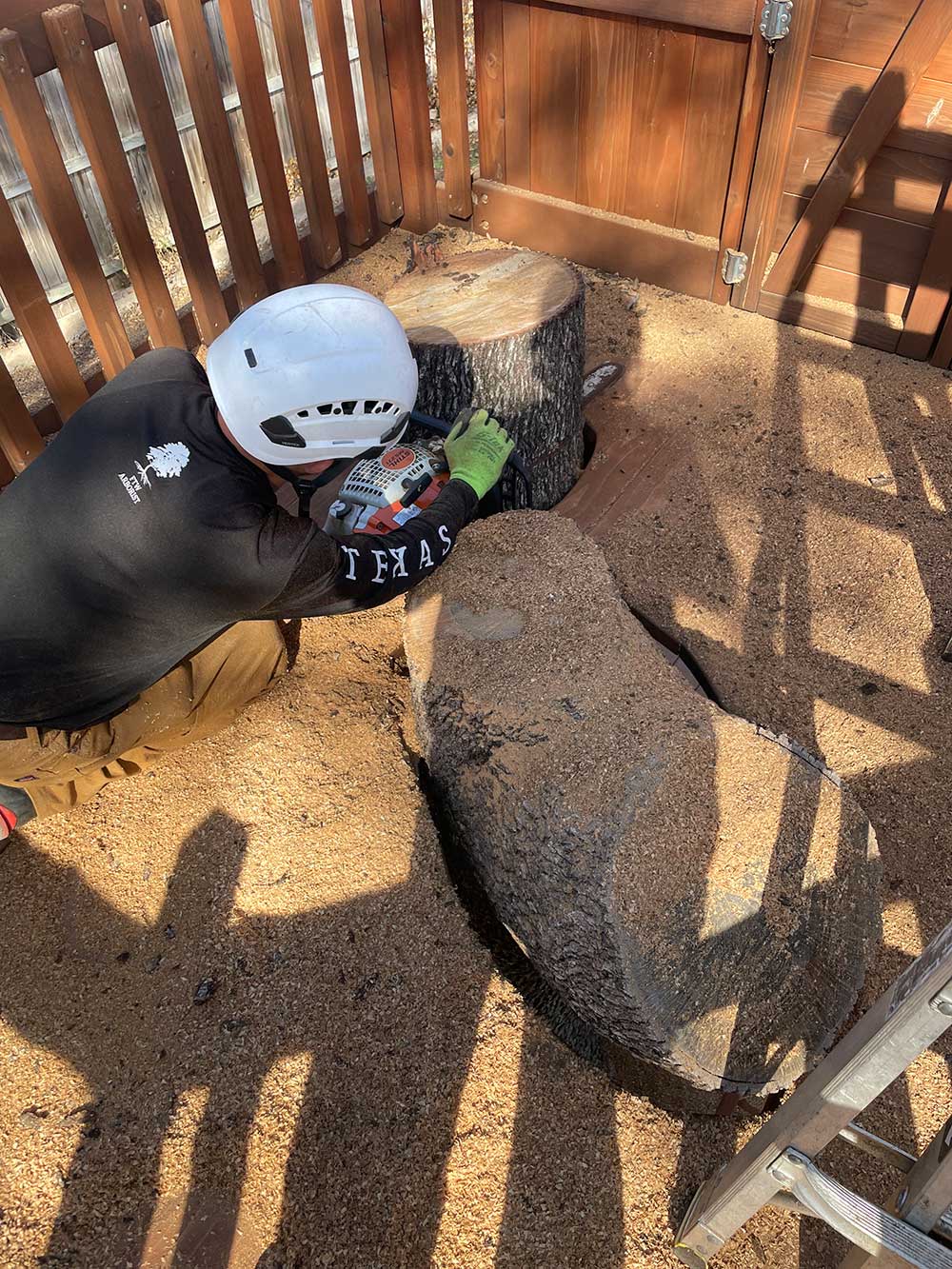
Summary: Tree removal in Fort Worth typically costs between $300 and $2,500+ per tree, depending on size, condition, access, and local regulations. Fort Worth’s storm seasons, clay-heavy soil, and fast-growing native trees make professional removal especially important for safety and cost control.
This guide explains real Fort Worth tree removal pricing, what affects cost, permit requirements, and how to get an accurate estimate from a certified arborist.
Trees bring beauty, shade, and life to your property, but sometimes they can become a safety risk or stand in the way of a new project. Unfortunately, tree removal is something many property owners put off until it becomes urgent.
In Fort Worth, we see tree damage almost each storm season, with heavy winds, drought, or disease taking a toll on mature oaks or brittle pecans. It’s not uncommon to see sudden hazards or property damage.
However, it’s better to plan your tree removal before it causes unnecessary damage. And a major part of that is knowing how much tree removal costs in Fort Worth.
With this post, we aim to help you provide hands-on and up-to-date information about tree removal pricing in Fort Worth. While prices vary, knowing what factors drive those costs can help you make smart, confident decisions and avoid hidden surprises.
How Does Tree Removal Work in Fort Worth
Much like stump removal, no two jobs have the same price tag, and several factors drive differences in tree removal cost in Fort Worth. Large trees, those close to buildings, or cases with utility lines nearby require more skill and care, which always affects pricing. Seasonality and local regulations can also play a part.
Fort Worth’s climate adds unique challenges, including clay-heavy soils and fast-growing native species mean trees can grow quite tall and thick. After a wet spring, many trees can push past 80 feet. Most local removals deal with mature oaks, elms, hackberries, and pecans.
| Tips: Tree removal costs increase when utility coordination, traffic control, or special equipment like cranes is required |
Typical Cost Ranges: What You Can Expect
In Fort Worth, TX, the average cost of tree removal ranges between $300 and $2,500 per tree, or more. The difference in price depends on tree size, species, condition, and location.
The table below shows typical tree removal costs in Fort Worth based on overall tree size and height.
| Tree Size | Height Range | Typical Cost in Fort Worth |
| Small Trees | Under 30 feet | $200 – $600 |
| Medium Trees | 30–60 feet | $400 – $1,200 |
| Large Trees | Over 60 feet | $1,200 – $2,500+ |
These numbers vary if the tree is structurally compromised, if heavy equipment is needed, or if special care is required to protect nearby buildings or landscaping. Storm-damaged or diseased trees sometimes need more urgent, careful removal that affects the price.
| Tips: Prices are usually lower when removals are scheduled during non-storm seasons and planned in advance. |
Key Factors That Influence Tree Removal Cost
As mentioned before, no two tree removals are the same. The cost depends on a mix of important factors that affect how much labor, equipment, and time go into your job. Here is what you must remember before going ahead.
The table below summarizes the main factors that influence tree removal pricing.
| Cost Factor | Why It Affects Price |
| Tree size | Larger trees need more labor and equipment |
| Accessibility | Limited access slows removal and increases risk |
| Tree condition | Dead or damaged trees require extra safety steps |
| Nearby structures | Careful dismantling prevents property damage |
| Equipment needed | Cranes and lifts increase operational costs |
| Debris removal | Hauling and disposal add labor and fees |
Each of these factors is explained in more detail below, starting with tree size and access conditions.
1. Tree Size and Height
A tall or thick tree requires more crew time and larger equipment. In older parts of Fort Worth, it’s common to see water oaks hitting 80 feet with multi-ton trunks. Removing such giants increases both labor and disposal costs.
2. Accessibility
Narrow side yards, slopes, fences, gardens, or obstacles around the tree add effort and time. If a large oak is boxed in by buildings, the removal process is slower, as each branch must be lowered with ropes rather than dropped directly. The more restricted the access, the higher the cost.
3. Condition and Risk
Dead, leaning, or damaged trees present more danger for the arborist. Unstable trunks and rot add removal steps since the crew cannot rely on the tree’s strength. If there’s a pest or disease involved, especially oak wilt or emerald ash borer, operations require containment and special disposal, which may also raise the price.
| Fact: Dead or structurally compromised trees are more dangerous to remove and often cost more due to increased risk. |
4. Proximity to Structures or Utilities
Trees near houses, garages, sheds, or overhanging power lines call for careful planning and extra equipment like cranes or aerial lifts. Local building codes may also come into play, requiring permits or utility coordination. This layer of caution pushes the average cost up.
5. Stump Removal
Stump removal is an extra charge. Most tree removal services include cutting the tree at ground level, but the remaining stump requires more effort. In Fort Worth, stump grinding usually runs from $100 to $350 for a standard-size stump. Larger or oddly placed stumps may cost more.
| Tip: Bundling stump grinding with tree removal is often cheaper than scheduling it as a separate service later. |
6. Debris Removal and Cleanup
Hauling away wood and brush adds to the final bill. Leaving debris on site is cheaper, while full cleanup and hauling (including chipping branches and removing logs) costs more. Mulch creation, if requested, sometimes provides a discount. However, it’s best to ask your arborists if they’ll offer any.
Regulations and Permits: Fort Worth Specifics
The City of Fort Worth has a set of tree removal rules, especially for protected tree species or properties within historic districts. If the tree is on commercial property or is classified as protected, you may need a permit to remove it. This process can add time or fees.
Homeowners’ associations sometimes have their own requirements. If you’re not sure, contact city forestry or your local HOA before you book a crew.
Permit requirements depend on property type and location, as shown below.
| Property Type | Permit Required? | Notes |
| Residential (standard lot) | Usually no | Unless protected or historic |
| Historic district | Yes | City approval required |
| Commercial property | Yes | Permits and inspections apply |
| HOA property | Varies | HOA rules may apply |
Checking these requirements early helps avoid scheduling delays or unexpected fees.
How to Get an Accurate Estimate
No two trees, or sites, are alike. The most important thing you can do is to provide clear details when you call for a quote, which includes tree location, height, proximity to buildings, parking for trucks, and any known hazards. Invite the estimator to walk your property in person if possible. This leads to a safer project and a fairer, more accurate number.
| Tip: On-site inspections produce more accurate estimates than phone or photo-only quotes. |
What Should a Detailed Quote Include?
- Total price for tree removal
- Stump grinding (if requested)
- Debris removal and site cleanup
- Permit or inspection costs (if any)
- Insurance or liability information
- Estimated time to complete
| Tip: Always request written estimates to avoid unexpected charges once work begins. |
We recommend having a written estimate in hand before agreeing to any work. Reputable companies in Fort Worth, like Fort Worth Arborist Co., are always upfront on price, insurance, and methods. We’ve seen firsthand how clear information allows property owners to feel better about both cost and timeline.
Tips to Help Manage Your Tree Removal Budget
Some Fort Worth residents try to save by delaying removal, hoping small issues will resolve themselves. Unfortunately, a sick or damaged tree usually grows riskier with time, which can drive up the final price. Scheduling removal outside peak storm seasons may help you lower costs, and grouping several tree jobs on one visit can sometimes result in a small discount.
Ask for all available options, such as keeping wood for firewood or mulch, if that meets your needs. Check with your insurance to see if any storm-damaged or hazardous tree work may be partially covered. For commercial sites, regular tree health checkups help catch issues early, reducing long-term costs.
Always Hire a Qualified and Insured Arborist
Choosing a tree removal company means trusting them with your valuable property and safety. In North Texas, only hire fully insured and certified arborists with experience in large and hazardous removals. As a certified arborist, we stand behind this advice, having served Fort Worth’s neighborhoods and businesses for over two decades.
The most important thing is to never compromise on safety in exchange for a lower price. While cost matters, expert handling of large, dead, or complex tree removals is worth every penny. Cheap bids from unlicensed operators may risk property, injury, or liability. Always request proof of insurance and credentials before signing an agreement.
Make Smart Decisions About Your Tree Removal
While tree removal can seem expensive, it’s an investment that protects your property, family, and landscape. Large or dying trees pose real hazards that can cost far more if ignored.
At Fort Worth Arborist Co., we help you make informed decisions about your trees. Whether you need a single removal or ongoing maintenance, you’ll get expert care, clear guidance, and a safe, clean result.
If you’re in Fort Worth or the surrounding areas, call (817) 975 0180 or fill out our online form to schedule an on-site inspection.
Frequently Asked Questions (FAQs)
1. How much does tree removal typically cost in Fort Worth?
- For a standard removal, prices usually range from $400 to $1,200 for medium trees. Larger or harder-to-reach trees may cost up to $2,500 or more.
2. Is a permit needed for tree removal in Fort Worth?
- It’s typically required if you live on commercial property, remove protected species, or are inside a historic district. Check with the City of Fort Worth or your homeowners’ association to confirm rules.
3. Does tree removal include stump grinding?
- Standard removal covers the tree trunk cut to ground level. Stump grinding is a separate service, usually priced from $100 to $350 depending on size.
4. Can I lower tree removal costs?
- You can sometimes save by combining removals, scheduling outside the storm season, or keeping some debris on-site. Complete and clear information in your quote request leads to more accurate and fair pricing.
5. Who is responsible if the tree damages a neighbor’s property during removal?
- If the removal work causes property damage, the tree care company’s liability insurance should cover it. That’s one more reason why you should always hire licensed and fully insured professionals.
6. What details do I need to get a tree removal quote?
- Provide location, tree type and size, access challenges, and photos if possible. A detailed walkthrough with the company gives the most accurate cost and safe plan.