FORT WORTH'S PREMIER TREE HEALTH CARE AND ARBORICULTURE PROFESSIONAL SERVICE COMPANY!
 (817) 975 0180
FORT WORTH'S PREMIER TREE HEALTH CARE AND ARBORICULTURE PROFESSIONAL SERVICE COMPANY!
Hypoxylon Canker is a fungal disease that weakens stressed hardwood trees, especially oaks. If your oak tree shows sudden leaf loss or bark peeling, it might require Hypoxylon Canker treatment. Our ISA-certified arborists can help protect your trees.
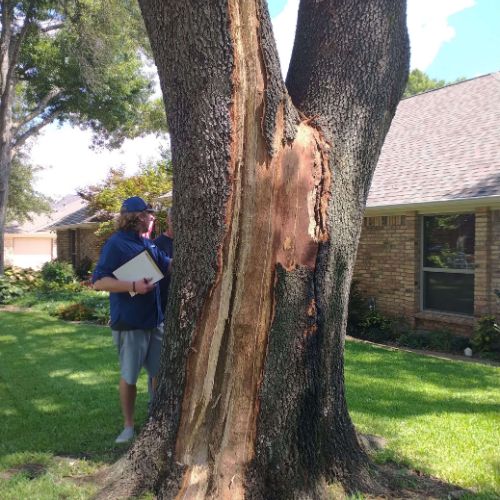
Oak trees are a valued part of Texas landscapes. From post oaks to live oaks, they provide shade, character, and comfort for homes and businesses across the state, including Fort Worth. Like any living thing, trees can struggle when stressed.
Hypoxylon canker is one such disease that affects different oak varieties. It develops from the hypoxylon fungus (called hypoxylon atropunctatum) and takes advantage of weakened oak trees. Early canker symptoms may include bark peeling, thinning canopies, and branch dieback.
If you see these signs, you need to call for professional help immediately, like Fort Worth Arborist Co. Careful attention and early care can help you preserve the affected oak tree and protect others nearby.
One of the most common tree diseases, hypoxylon canker, spreads through airborne fungal spores and can exist quietly on healthy trees, typically oaks. Problems begin when oak or other hardwood trees experience stress. Drought, low soil moisture, and environmental changes allow canker spores in trees to take hold and spread faster, weakening them from the inside.
Human and natural stressors can increase this risk. Soil compaction, root damage, construction activity, and defoliation reduce a tree’s ability to defend itself. Once stressed, the fungus becomes active, and visible canker symptoms begin to appear.
Usually, they include:
Early intervention can help you slow down the decline of affected trees and prevent hypoxylon canker from spreading to other healthy hardwood trees.
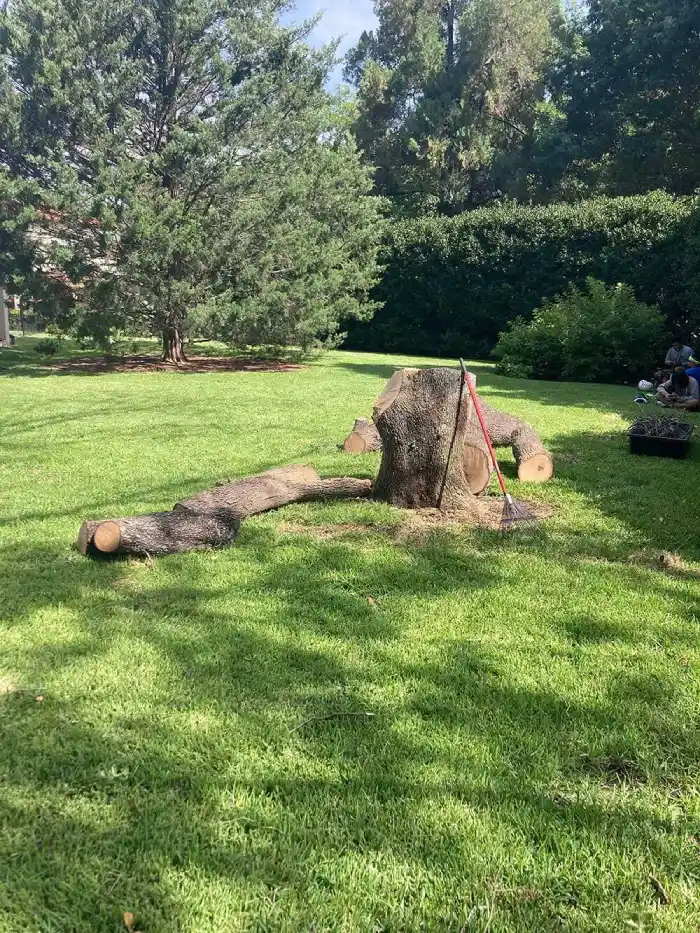
There is no direct cure for hypoxylon canker, but proper care can slow its progress and support your tree. Since the fungus targets stressed trees, our focus stays on reducing cankers by improving their overall health. Drought plays a major role, so consistent watering and stress reduction remain key parts of hypoxylon canker treatment.
Our arborists help limit risk by:
When a hypoxylon canker is already active inside the tree, chemical options do not work. The fungus lives within the wood, which makes trunk or soil injections ineffective. The best treatment for oak tree fungus focuses on care and support, not chemicals.
In addition to the above steps, our management plan may include:
This approach gives your oak or hardwood tree the best chance to remain stable and safe for as long as possible.
Fort Worth Arborist Co. has been helping local homes and businesses keep their trees in excellent shape for over 20 years. From bracing and cabling to diseased tree care, our team provides you with all the help you need to address every concern.
Our certified arborists apply science-based care for lasting tree health.
Your property and our crew stay protected on every job.
We answer questions clearly and treat your trees with respect and love.
We arrive on time, work efficiently, and leave your property clean.
All work follows recognized A300 safety and care standards.
We understand Fort Worth trees, soil, and weather conditions.
From diagnosis to treatment or removal, we handle it all.
Hypoxylon canker affects trees from the inside, making timely expert care necessary. Although there is no cure, professional hypoxylon canker treatment helps manage decline, reduce stress, and protect nearby trees.
Get professional help because it:
If your oak or hardwood tree shows signs of stress, early care makes a difference. Our arborists provide clear guidance and proven hypoxylon canker management to protect your landscape. Call 817-975-0180, contact us online, or fill out the form below now.
A tree canker is an area of dead or damaged bark caused by fungi or bacteria. It weakens the tree and disrupts nutrient flow.
Hypoxylon canker spreads through airborne spores and becomes active when trees experience stress like drought or root damage. It typically affects hardwood trees, especially oaks.
There is no cure, but professional care focuses on reducing stress, improving soil health, and slowing decline. Our ISA-certified arborists can provide you with a personalized tree care plan after a thorough evaluation.
Oak trees and other hardwoods, especially stressed or drought-affected trees, face the highest risk. Human activity-related stress, like soil erosion, may also make your trees prone to hypoxylon canker.
Common canker symptoms include bark peeling, crown dieback, yellowing leaves, and dark fungal spores on exposed wood.
Recovery is usually limited, but proper care can slow the progression of canker and help your tree remain stable longer.
The fungus can exist on healthy trees, but usually only causes damage when the tree becomes stressed. However, it can spread through airborne fungal spores.
Yes, it weakens the wood structure and increases the risk of limb or trunk failure. But timely treatment can slow the decline and help your tree live longer.
Not necessarily. This decision depends on severity, location, and safety risks. Our ISA-certified arborist can help you make that decision.
An ISA-certified arborist should inspect and confirm hypoxylon canker to recommend proper care. Our team will help you do just that.