FORT WORTH'S PREMIER TREE HEALTH CARE AND ARBORICULTURE PROFESSIONAL SERVICE COMPANY!
 (817) 975 0180
FORT WORTH'S PREMIER TREE HEALTH CARE AND ARBORICULTURE PROFESSIONAL SERVICE COMPANY!
If your trees look weak, drop leaves early, or have unusual spots, they may be sick. Trees face many threats from pests, fungi, borer beetles, and other diseases. Ignoring these problems can lead to serious damage or loss of your trees. But if you diagnose tree problems quickly, you can keep your yard healthy and safe.
Fort Worth Arborist Co. offers a professional tree diagnosis. If you are worried about your trees, reach out to us. We’ll inspect your diseased trees and shrubs, recommend the right treatment, and bring them back to life as best as we can.
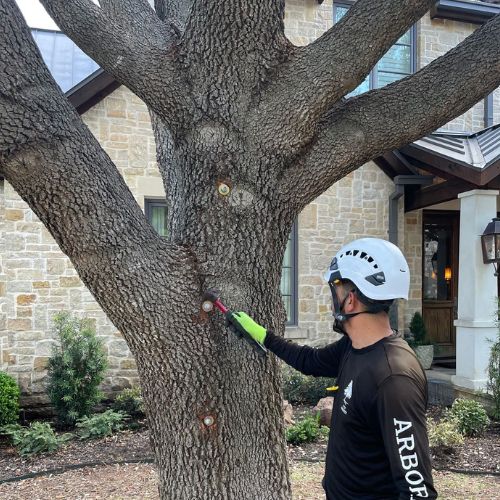
A diseased tree not only affects your curb appeal but also makes nearby shrubs and trees sick. Watching out for early signs of tree diseases, like leaf changes, wilting, or dying branches, helps you act before problems get worse.
Typically, you’re dealing with:
Infectious Diseases: These diseases come from fungi or bacteria and spread between trees. Some common tree diseases in Texas include:
Non-Infectious Diseases: These diseases are usually caused by compacted soil, poor drainage, lack of nutrients, or root damage. While these diseases don’t spread, they can still cause big problems. You might see stunted growth, early leaf drop, or wilting. Watch out for these signs of tree disease.
Our Process: We diagnose trees for both visible and hidden symptoms. We use tree tissue and soil testing to confirm the problem. If the diseased tree is treatable, we’ll get to work. If it’s too far gone, we’ll talk you through safe removal. Either way, we’ll give you the best solution for your tree and yard.
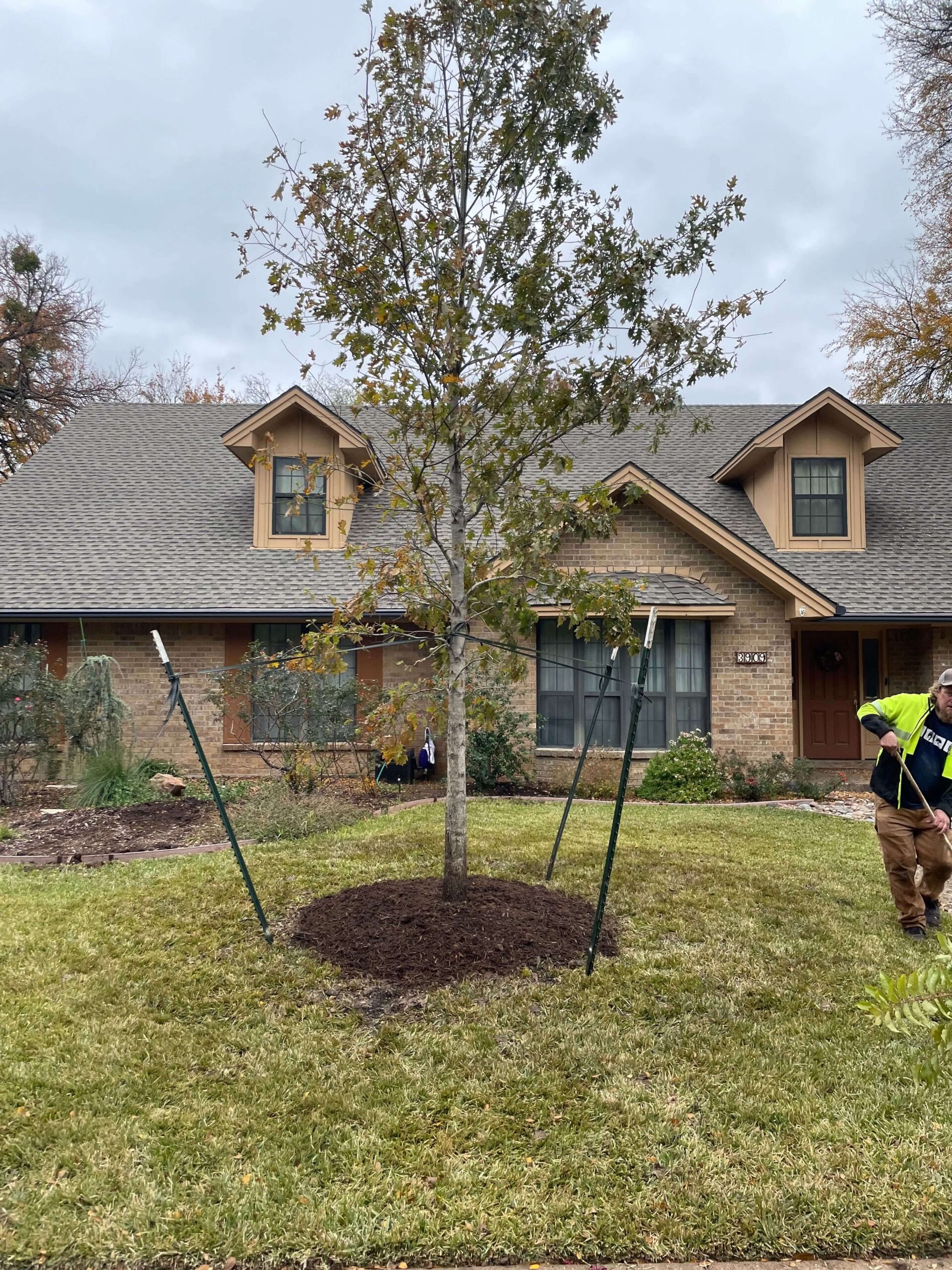
If you catch a disease early, you have a better chance to save your tree. Diseased trees often show clear signs that you can identify if you know what to look for.
Watch for these signs of tree diseases:
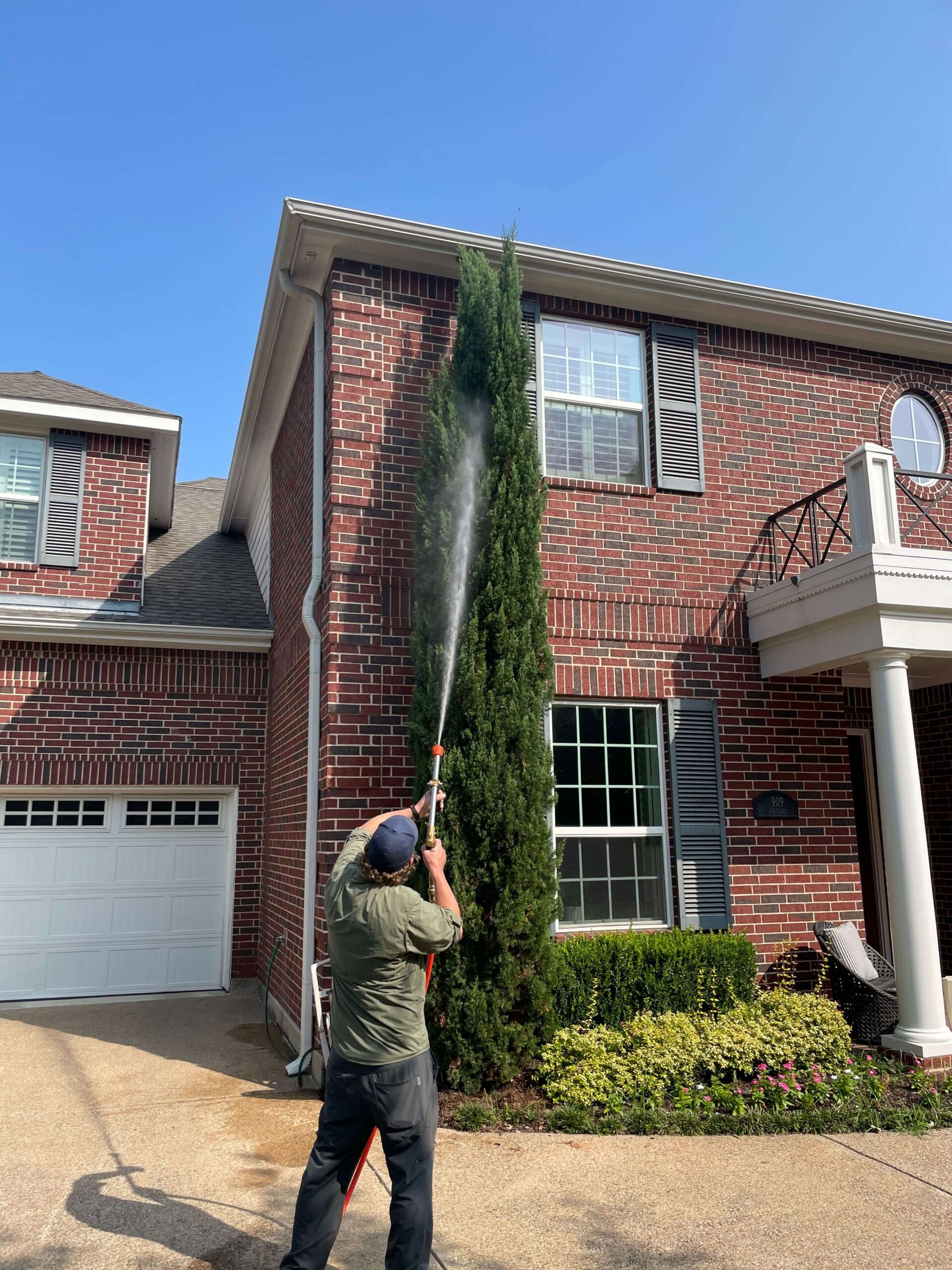
Fort Worth Arborist Co. has been serving the local community for over 20 years. Our proven and specialized solutions help you keep your trees and the curb appeal from falling apart. If you notice any signs of tree disease, give us a call.
Here’s why:
When your tree looks sick, you might want to fix the problem yourself. But DIY can typically backfire if you’re not a trained arborist. Getting help from a qualified arborist increases your chances of nursing a diseased tree back to health.
A professional:
Do you want to nurse your diseased trees back to life? Call 817-975-0180 or contact us online now. Let’s save your tree before it’s too late.
"*" indicates required fields
Look for signs of tree disease like leaf discoloration, dead branches, wilting, or fungal growth. If you’re in doubt, call our certified arborists to confirm with a proper inspection.
Treatment depends on the disease. It may involve pruning, applying fungicides, improving soil aeration, or injecting antibiotics. We’ll choose the best possible treatment and remove the infectious tree if required.
If the tree is dead, leaning, badly damaged, or spreading disease, it may need to go. We’ll inspect it and let you know.
Only a certified arborist with training and testing tools should diagnose a tree disease. That’s exactly what we do at Fort Worth Arborist Co.
Yes, fungal and bacterial infections can jump to nearby trees through air, soil, or insects. You should catch and treat diseases early to protect the whole yard.
Some diseases, such as oak wilt, can spread quickly and kill a tree in a season. Others, like root rot, work slowly but still damage your tree over time. We act quickly to stop the spread.
Trees can be infected long before you see signs. We use soil tests and lab analysis to detect hidden diseases and root problems.
In Fort Worth, red oaks, live oaks, and elm trees are prone to oak wilt, hypoxylon canker, and Dutch elm disease. Native trees still need routine care to stay healthy.
Mushrooms near the base can mean root rot. It weakens trees from the inside. We’ll inspect it and treat or remove the tree if needed.