 (817) 975 0180
Summary:
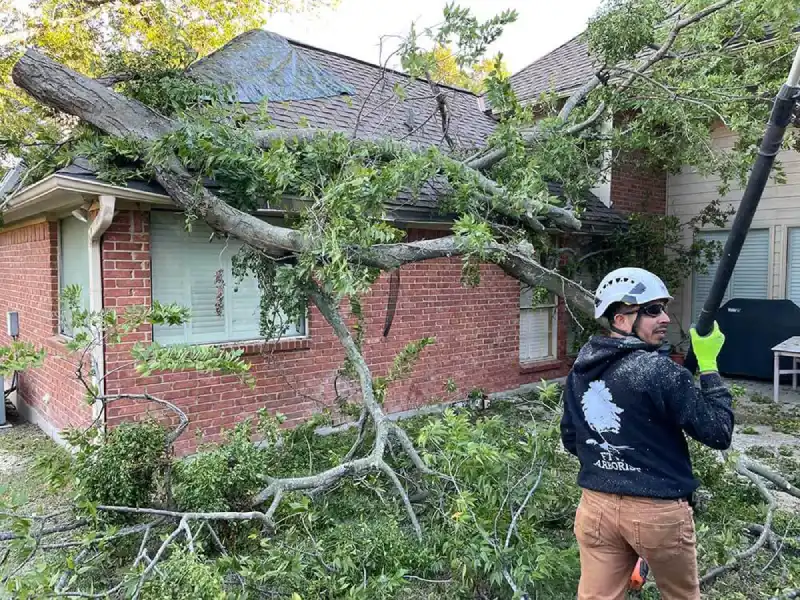
- Yearly tree maintenance helps Fort Worth homeowners reduce safety risks, prevent storm damage, and avoid costly emergency tree removal.
- Certified arborists identify hidden issues such as disease, pests, weak limbs, and root problems before they escalate.
- North Texas weather, clay soil, and high winds increase the risk of tree failure without proactive care.
- Well-maintained trees improve curb appeal, lower energy costs, and extend tree lifespan.
- Annual inspections are one of the most cost-effective ways to protect both property and people.
Trees are the unsung heroes of our yards. They provide shade and fresh air and add beauty to your landscape. Think of trees like the roof of your house, which needs regular maintenance to prevent costly repairs. Your trees require regular care to avoid costly (and potentially hazardous) issues such as root rot, dead and decaying branches, and pest infestations.
As a leading tree care company in Fort Worth, at Fort Worth Arborist Co., we know how and when your trees require care. While trees are hardy, they’re not immune to the wear and tear that comes with time. That’s why you must schedule yearly tree maintenance.
Let’s dig deep into why you should do this.
Why Yearly Tree Maintenance Matters for Fort Worth Homes and Properties
Yearly tree maintenance is essential for Fort Worth homeowners because local weather conditions, soil composition, and seasonal storms place constant stress on residential trees. Annual inspections by ISA-certified arborists help identify structural weaknesses, disease, pest activity, and root issues early. This proactive care reduces the risk of falling limbs, storm damage, and emergency removals while protecting property value and long-term tree health.
Why Fort Worth Homeowners Shouldn’t Skip Yearly Tree Maintenance: Here are 10 Key Reasons
1. Catch Problems Early
Tree health isn’t always obvious. Yes, you can see decaying branches and rotting leaves, but pests, diseases, and even minor damage can often go unnoticed for months. By the time you see the signs of a damaged or decaying tree, it might be too late.
| Pro Tip: The International Society of Arboriculture (ISA) notes that early detection of pests and diseases significantly reduces long-term tree care costs and prevents irreversible decline. |
But with yearly preventive maintenance, certified arborists check your trees, and they can spot these issues early before they escalate. Whether it’s root rot, insect infestations, or dead limbs, getting a professional to check your trees once a year is a small investment that can save you thousands later.
2. Maintain Your Curb Appeal
Trees are a major part of your curb appeal, which may account for up to 7% of your house’s sale price. That said, overgrown branches, dead limbs, or an unkempt shape can quickly make your yard look messy. Regular trimming and pruning keep your trees always looking their best.
| Insight: Well-maintained trees improve buyer perception and neighbourhood aesthetics, which can positively impact resale value. |
3. Prevent Storm Damage
We’re no strangers to extreme Texas weather. Strong winds can wreak havoc on trees, knocking down branches or even toppling them entirely.
A yearly checkup includes structural assessments to ensure your trees are stable and well-maintained. This could include trimming overhanging branches and addressing any weak spots with tree cabling and bracing to reduce the risk of storm damage to your home and property.
| Texas Weather Insight: The Texas A&M Forest Service recommends routine pruning and structural inspections in high-wind regions to reduce storm-related tree failures. |
Storm Risk Reality Check for Fort Worth Homeowners
Most storm-related tree failures are not caused by healthy trees. They are caused by undetected weak limbs, internal decay, poor pruning history, or structural imbalance. Annual maintenance allows arborists to reduce wind resistance, correct weight distribution, and address hidden weaknesses before severe weather arrives
4. Improve Tree Health and Growth
A tree’s growth can be stunted if it’s overcrowded or if deadwood isn’t removed. Proper trimming ensures that your tree gets enough sunlight and air circulation to grow strong and healthy.
Annual maintenance also includes inspecting the soil and root flare area, which is an essential part of the tree’s health. Addressing root flare exposure, for example, helps your tree breathe and prevents diseases like root rot.
| Best Practice: Addording to the University of Minnesota, Mulch should be kept 2–3 inches away from the trunk to avoid moisture buildup and fungal disease. |
5. Avoid Costly Repairs and Tree Removal
If trees are left unchecked for too long, the damage can become irreversible. Branches may break off during storms, or a tree might start leaning dangerously toward your house.
What started as a minor problem could lead to the need for expensive tree removal or repairs. Regular tree maintenance prevents these issues and helps you catch any early signs of trouble before it gets out of hand.
The Cost Difference: Preventative Care vs. Emergency Response
Preventative tree maintenance is significantly more affordable than emergency services. Emergency removals often involve hazardous conditions, heavy equipment, and urgent scheduling, which increases costs dramatically. Annual inspections help homeowners plan care on their timeline instead of reacting to sudden failures.
6. Promote Tree Longevity
A well-maintained tree can live longer and stay healthier throughout its life. With proper care, your trees will continue to provide shade and beauty for many years. Well-maintained trees also tend to be less susceptible to pests and diseases, extending their lifespan further. Yearly care gives your tree the best shot at thriving for generations.
7. Stay Safe from Falling Limbs
Falling branches are a hazard. Branches weakened by disease or rot can break off without warning. This poses a serious risk to people, pets, and property. Scheduling yearly maintenance can help you assess the health of each branch and trim off any that pose a risk. That way, your yard stays safe and enjoyable.
| Fact: The International Society of Arboriculture (ISA) identifies dead or weakened limbs as one of the leading causes of tree-related injuries on residential properties. |
8. Ensure Proper Tree Placement
Sometimes, as trees grow, they can start to crowd out other plants or grow too close to your house or utility lines. This could lead to damage to your home’s foundation or roof.
Yearly maintenance gives you the chance to check if your tree is getting too big for its spot. If necessary, an arborist can help with strategic pruning or even advise you on the possibility of relocating the tree.
| Planning Tip: The City of Fort Worth recommends proactive tree management to protect sidewalks, utilities, and structures. |
Why Tree Size and Location Matter Over Time
Trees that were appropriately placed when young can become problematic as they mature. Canopies may extend over roofs, roots may approach foundations, and branches may encroach on power lines. Annual evaluations help guide strategic pruning decisions that protect structures without compromising tree health.
9. Fix and Prevent Girdling Roots
Girdling roots occur when roots wrap around the base of the tree, strangling it over time. This issue can compromise the tree’s structural integrity and lead to a shorter lifespan. Yearly checks allow you to spot this problem early and correct it. By exposing the root flare and managing root growth, you can keep your tree healthy and strong.
10. Save on Energy Bills
Did you know that strategically placed trees can help reduce your energy costs by as much as 25%? Properly maintained trees, especially those planted near your home, can provide natural shade during the hot Fort Worth summers.
This shade can lower your cooling costs by reducing the amount of direct sunlight that hits your home. In the winter, well-placed trees can act as windbreaks, helping keep the cold out. Keeping your trees healthy not only improves the landscape but also saves money on your energy bills.
| Fact: The U.S. Department of Energy confirms that shade from mature trees can significantly reduce cooling costs in hot climates like North Texas. |
Yearly Tree Maintenance vs. No Maintenance (Quick Comparison)
| Factor | With Annual Maintenance | Without Maintenance |
| Tree health | Issues caught early | Problems escalate |
| Storm safety | Reduced risk | Higher failure risk |
| Cost | Predictable | Emergency expenses |
| Property value | Improved | Declines over time |
| Longevity | Extended lifespan | Shortened lifespan |
What Happens When Yearly Tree Maintenance Is Skipped
Homeowners who skip routine tree care often face:
- Sudden limb failure during storms
- Emergency tree removal expenses
- Damage to roofs, vehicles, fences, and foundations
- Increased insurance risk due to neglected hazards
- Shortened tree lifespan and declining property value
In many cases, these outcomes could have been avoided with routine inspections and preventative pruning.
What Certified Arborists Look for During Annual Inspections
- Structural weaknesses
- Pest and disease activity
- Root flare exposure
- Soil compaction
- Girdling roots
- Canopy balance and airflow
How Annual Arborist Inspections Protect Your Property
Certified arborists evaluate more than just tree appearance. They assess how trees interact with nearby structures, sidewalks, utilities, and neighboring properties. This proactive approach helps reduce liability risks while preserving both safety and aesthetics across the entire landscape.
Why Working With a Local Fort Worth Arborist Matters
Fort Worth’s climate and soil conditions can be tough on trees. What works in other parts of the country may not be suitable here. That’s why you should hire a locally-owned, Fort Worth-based arborist with deep knowledge of the area’s specific tree care needs.
That’s where Fort Worth Arborist Co. comes in. Our ISA-certified arborists can help you with everything from managing soil aeration to vertical mulching. We can also help you remove a tree or grind the tree stump if necessary.
Annual Tree Maintenance Checklist for Fort Worth Homeowners
- Certified arborist inspection
- Dead and hazardous branch removal
- Structural pruning
- Root flare inspection
- Girdling root correction
- Storm-risk assessment
- Soil health evaluation
Get Your Personalized Yearly Tree Maintenance Plan Now
Your trees give you a lot, and it’s only fair you return the favor with a little care. Yearly tree maintenance is the best way to ensure that your trees stay healthy, beautiful, and safe. Whether it’s a trimming session, a health checkup, or addressing any underlying issues, taking care of your trees can help them thrive for years to come.
At Fort Worth Arborist Co., we’ve been serving the local residents for over 20 years. Our ISA-certified, experienced arborists know what your trees need to stay strong and healthy. Call us at 817-975-0180 or book an appointment online now.
Frequently Asked Questions (FAQs)
1. How often should trees be trimmed in Fort Worth?
- Most residential trees benefit from professional inspection and pruning once per year, depending on species and location.
2. When is the best time for yearly tree maintenance?
- Late fall through early spring is ideal, though inspections can be performed year-round.
3. Can tree maintenance prevent foundation damage?
- Yes. Root monitoring and strategic pruning help prevent roots from compromising foundations and underground utilities.
4. Do arborists inspect roots during annual maintenance?
- Yes. Certified arborists assess root flares, soil conditions, and signs of girdling or decay.
5. Is yearly tree maintenance required by law in Texas?
- While not legally required, homeowners are responsible for maintaining trees that could pose safety risks to people or property.
